

China Tests Deep-Sea Cutting System For Cables And Pipelines At Depths Of Up To 3,500 Metres
23.04.2026
263
The test was carried out by the research vessel Haiyang Dizhi 2 as part of its first deep-sea mission of the year. Engineers validated a compact electro-hydrostatic actuator (EHA) designed for precision cutting of underwater structures, including subsea cables and pipelines.
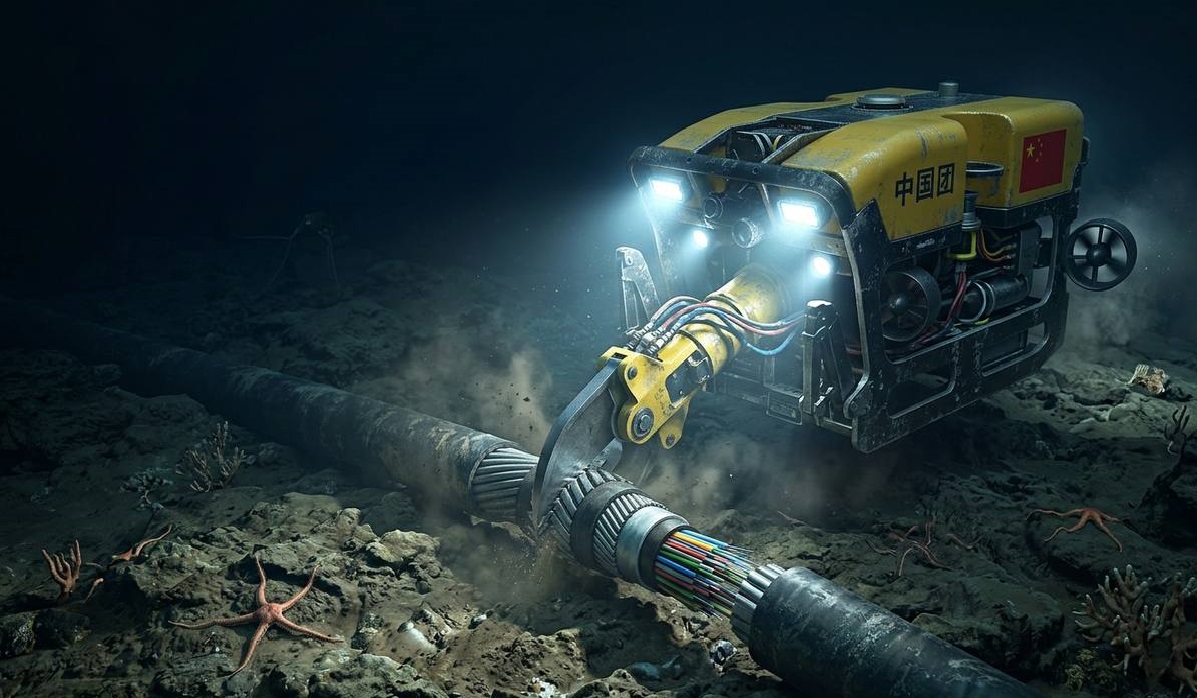
During the mission, engineers deployed the actuator to perform cutting operations under high-pressure subsea conditions.
The electro-hydrostatic actuator integrates an electric motor, hydraulic system, and control unit into a single compact device. This design removes the need for external oil pipelines typically used in conventional hydraulic systems.
Engineers involved in the project stated that eliminating external piping improves system reliability, reduces energy loss, and lowers the risk of leaks in deep-sea environments.
The actuator is also equipped with pressure compensation and corrosion-resistant features, allowing it to operate effectively under extreme subsea conditions.
The system is built to withstand pressures exceeding 35 megapascals at depth. It can deliver more than 50 kilonewtons of force while maintaining precise control during cutting operations.
The actuator also provides at least 1.0 kilowatt of drive power, enabling it to handle demanding subsea tasks such as cutting thick cables and pipeline sections.
The compact design combines multiple hydraulic components, including pumps, valves, and cylinders, into a single unit, improving operational efficiency in confined underwater environments.
The new cutting system is expected to support offshore oil and gas operations, including pipeline repair, recovery, and decommissioning work. Faster and more precise cutting could reduce downtime during subsea interventions.
Engineers also said the equipment could be used to clear underwater obstacles and support other tasks such as operating seabed tools.
Source: subseacables
Share:


